
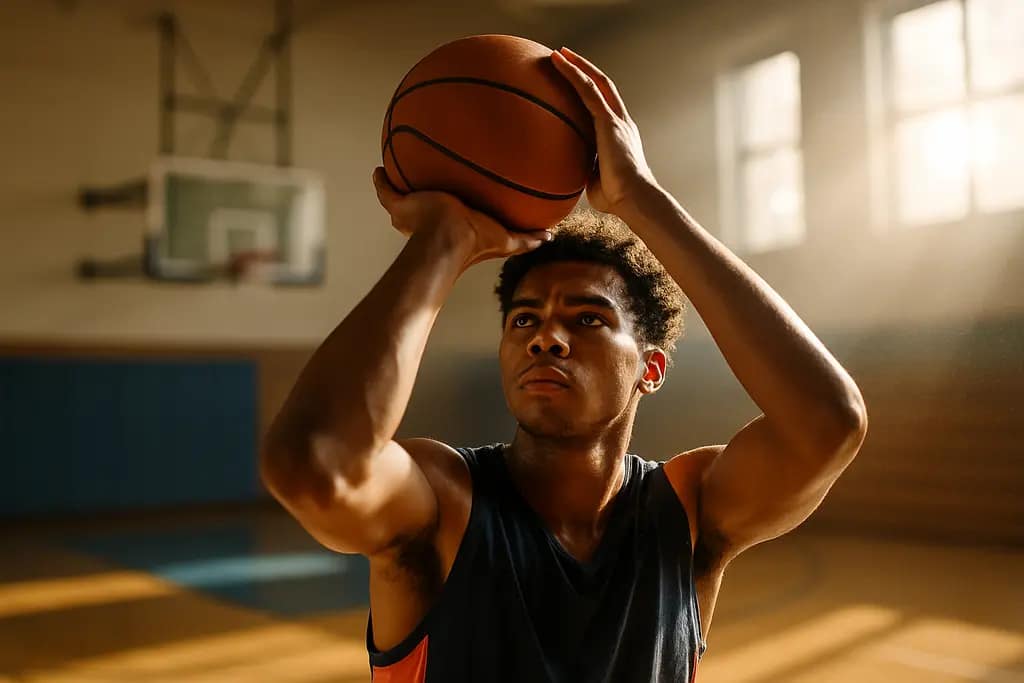

Early Season Games are not filler. They are the first live exam for young players, the first real check on preparation, and the first chance for a fan base to see whether offseason talk has turned into habits that hold up under pressure. Around Gainesville, that matters because Gators basketball has always been watched through two lenses: what the team is now, and what its players can become after they leave campus.
I have covered enough Florida players moving from college roles into pro responsibility to know that growth rarely shows up all at once. It appears in smaller signs: a guard making the second pass, a forward holding his defensive position, a freshman learning that a mistake cannot become two mistakes. The opening stretch of a schedule gives coaches the cleanest look at those signs, before conference stakes and public pressure get louder.
The lesson is not limited to basketball. In April 2026, several Major League Baseball clubs showed how early wins, close-game responses, and daily routines can shape belief inside young teams. That same principle fits a Gators hoops room. The sport changes, but the developmental math stays familiar: reps plus structure plus real competition tell you more than workouts ever can.
Why Early Season Games Test Young Players
For coaches, the opening portion of a season creates a rare evaluation window. Practices are controlled. Scrimmages are useful, but teammates know each other’s tendencies. The first outside opponents make players solve fresh problems without the comfort of a closed gym. That is where a staff learns which skills are ready and which ones still need time.
What Early Season Games Reveal Before Roles Settle
Young players often enter a college program with a defined reputation. One arrives as a shooter. Another is labeled a defender. A third is viewed as a long-term lead guard. The first stretch of games either widens those labels or exposes them as too narrow. Can the shooter guard without fouling? Can the defender finish through contact? Can the lead guard run a late-clock action without rushing?
That is why Early Season Games can carry more value than the box score suggests. A player might score six points and still take a step forward because he guarded the right matchup, sprinted the floor, or made the extra pass. Another player might score 15 but struggle with spacing or transition defense. Coaches see both truths. Fans, over time, learn to see them too.
Baseball offered a useful example on April 10, 2026. The Marlins, Pirates, and Rockies had used early results to build confidence in young groups, and Colorado had held opponents to one run three times in its first six home games, according to MLB’s April 2026 report. Pittsburgh had also moved from a 1–3 start to six wins in its next eight games, while its early scoring pace rose from about 3.6 runs per game the prior season to about 4.5 runs per game. Those numbers were baseball numbers, yes, but the takeaway travels well: early contests can turn teaching points into belief.
Confidence Is Built Through Real Response
Confidence is not the same as hype. It is earned after a player gets beat and still makes the next play. In basketball, early matchups give freshmen and transfers a chance to feel the speed of the college game before the schedule becomes less forgiving. A missed rotation in November can become a corrected rotation in December. A poor shot in the first week can become a better read once film confirms what the staff has been saying.
For a Gators audience, Early Season Games matter because they show who can absorb coaching in real time. The players who eventually stick in pro basketball are often the ones who learn quickly. They do not need the ball every trip to stay useful. They defend, cut, screen, communicate, and accept a role before that role grows. Those habits start long before any NBA scout writes a final report.
Preparation Habits That Travel Across Sports
The best early-season development stories are not just about talent. They are about routine. If a player learns how to prepare before the game, he has a better chance to play with purpose once the game begins. This is where basketball and baseball share a common coaching language, even though the actions look different.
Study Work Becomes Game Speed
In April 2026, the Washington Nationals introduced daily pregame study sessions on opposing pitchers, with Keibert Ruiz among the young players leading and benefiting from that structure, as reported by The Washington Post. The detail matters because it shows a team treating preparation as a daily skill, not a slogan.
Basketball has its own version of that work. A guard studies ball-screen coverage. A wing learns which opponent wants to drive right. A center reviews how quickly he must get back in transition. The first games show whether the study is sticking. If the scouting report says a shooter cannot be left in the corner, does the young defender remember it after two hard offensive possessions? If the plan calls for patience against pressure, does the point guard trust the spacing?
That is where development becomes visible. Fans see the shot. Coaches see the possession before the shot. They see who called out the screen, who tagged the roller, who made the pass that bent the defense. Early contests give those habits a place to show up under game lights.
The Film Room Needs Fresh Evidence
A staff can preach details all summer, but players need proof. The first games create that proof. Film from those nights is honest. It shows footwork, body language, timing, and reaction speed. It also gives coaches a way to correct without guessing.
For Florida, that kind of film has community value too. Gators fans are not just watching wins and losses. They are watching identity form. They want to know whether a new rotation has defensive edge, whether the ball moves, whether young players trust veterans, and whether the team’s pace fits its personnel. The answer rarely arrives in one night, but the early stretch starts the conversation.
How Early Season Games Pull Fans Closer
The player development side is only half of the story. The other half sits in the stands, group chats, student sections, and local basketball circles. Fans attach early because the beginning of a season gives them discovery. They learn faces, roles, substitution patterns, and the emotional tone of a team.
That is the quiet power of Early Season Games: they help a fan base build a relationship with a roster before the biggest games arrive. A bench player who brings defensive energy in November may become a crowd favorite by January. A freshman who looks nervous in his first shift may earn patience if fans can see the growth week by week.
For a college program, this matters beyond the arena. Early connection fuels student interest, family attendance, local talk, and alumni attention. It gives the basketball community something to follow between football weekends and conference play. On this site, we have already tracked how access, content, and loyalty connect through Gators fan engagement, and the early schedule is often where that bond starts to form.
Small Moments Can Build A Fan Base
Fans remember first impressions. They remember the first big defensive stand, the first hustle play, the first timeout huddle that looks connected. Not every early game becomes a headline, but each one adds evidence. For younger fans, that may be the first time they identify with a new player. For students, it may be the night they decide this team is worth following closely. For families in Gainesville, it may be the point when a season becomes part of their weekly routine.
None of that requires inflated claims. It requires clear basketball. Compete hard. Show growth. Give people a reason to come back. In a college town, those basics still carry weight.
What Gators Hoops Can Take From April Baseball
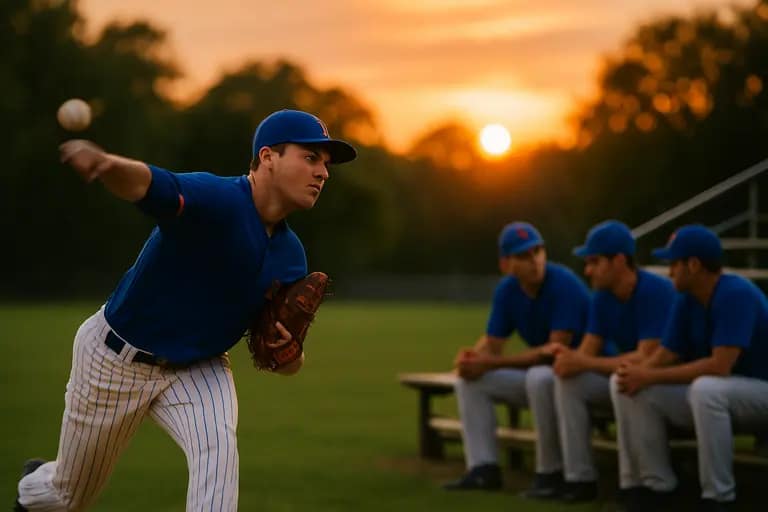
The MLB examples from April 2026 were useful because they showed three pieces of early-season value: resilience after losses, confidence from close wins, and routines that made preparation part of the team’s daily rhythm. The Rockies, after losing three one-run games to the Marlins to open the year, then went 6–3 over their next nine games, based on MLB’s report. That kind of response is what coaches in every sport want to see.
Basketball moves faster, and the schedule rhythm is different. Still, the coaching questions match up well:
- Which young players respond after mistakes instead of shrinking?
- Which lineups communicate well enough to defend through fatigue?
- Which players turn film study into better spacing, passing, and shot selection?
- Which early rotations help fans understand the team’s identity?
Those questions matter for Florida because development and fan engagement are connected. If players grow in visible ways, fans feel invited into the process. If the team’s habits are clear, the community can follow more than the scoreboard. That is how a roster becomes more than names on a program.
Why Early Season Games Matter In Gainesville
Early Season Games matter in Gainesville because they sit at the meeting point of coaching, player growth, and community attention. They give young Gators a chance to prove they can handle real assignments. They give veterans a chance to set standards. They give coaches film that can shape roles before the grind of league play. They give fans a first read on what kind of team they are investing in emotionally.
For players with pro ambitions, the opening stretch is also part of the longer story. NBA teams value growth patterns. They want to see how a player learns, how he responds to contact, how he handles a smaller role, and whether his habits survive when shots do not fall. Those traits do not appear suddenly in March. They are built in the quieter games, the teaching games, the nights that test focus before the spotlight gets brighter.
That is why the early calendar should never be dismissed. It is where a team starts becoming itself. For Gators fans, it is also where the connection begins: one rotation, one defensive stop, one young player’s lesson at a time.