
Fan engagement is not a side story for Gators basketball as the next non-conference games approach. It is part of the competitive preparation, part of the building atmosphere, and part of how a program turns early games into something that feels bigger than a date on the schedule.
For Florida, the non-conference window is where the first public readings arrive. Coaches see lineup combinations. Players learn how the building reacts to pressure. Students, alumni, families, and local fans decide whether an early opponent gets treated like a warm-up or like a meaningful piece of a championship climb.
The research around college basketball is plain enough: attention is rising, but getting people from interest to attendance still takes work. That is the tension every program faces before league play. The screen audience can grow while empty seats remain visible. A big win can travel online, but a quiet gym can flatten the night. The Gators’ job is to connect those pieces before the ball is tipped.
Why Fan Engagement Sets The Early Tone
Fan Engagement Begins Before Tipoff
College basketball has become a longer conversation than the two hours inside the arena. Supporters follow roster moves, player development, opponent quality, social video, NIL merchandise, and team identity between games. Learfield reported that regular-season TV viewership for nearly 1,400 Nielsen-rated college basketball broadcasts in 2025-26 rose 17% year over year, a signal that interest stretched well beyond the biggest postseason nights Learfield season report.
That matters for the Gators because non-conference games often introduce the tone of a team. A young guard’s first confident closeout, a veteran forward’s communication on defense, or a bench group holding a lead can become the early evidence fans carry into the tougher part of the schedule. The box score tells one story. The feeling in the building tells another.
Why Early Games Carry Weight
That is why fan engagement is not just a marketing phrase. It becomes part of the team narrative. A packed, alert crowd can reward defensive energy and help younger players understand the standard. A thin or distracted crowd sends the opposite signal, even if the scoreboard is comfortable.
Non-conference games also let a fan base rehearse its own habits. Students learn when to arrive. Families figure out weeknight routines. Alumni groups build watch patterns. Local businesses see whether basketball traffic is serious before conference games raise demand. The early slate may not always carry the national label of March, but it can help build the habits that matter when the stakes rise.
Attendance Is The First Box Score
The No-Show Gap
The key attendance issue is not only tickets sold. It is tickets used. A study of NCAA Division I men’s basketball non-conference home games from 2017 through 2020 found an average no-show rate of about 37%, meaning nearly four in ten ticket buyers did not have those tickets scanned at the venue attendance study.
That number should sit on every athletic department desk. It says interest and presence are not the same. A fan may buy a ticket in August, then skip a game when the opponent feels distant, the night feels inconvenient, or the team has not yet built emotional pull. For Gators basketball, the challenge is to make the early home dates feel connected to something larger than a single result.
The same study found that scheduling elements such as weekend versus weekday timing, opponent proximity, and home team winning rate had measurable effects on reported and actual attendance. That does not mean every opponent can be close, every game can land on a perfect day, or every team can control its record before the season starts. It does mean the program has to treat the fan experience as part of game preparation.
What The Schedule Can Control
Some pieces are fixed once contracts and television windows are set. Others can be shaped. The building can feel more welcoming for families. Students can be given clearer reasons to show up early. Former players can be tied into the night. Youth teams from around Florida can see the Gators as a reachable part of their own basketball life.
That is where the community side of the sport matters. A non-conference game against a less familiar opponent still gives a young fan a first memory, a local coach a teaching point, or a player’s family a chance to see growth. The matchup may not carry a national headline, but it can still carry local value.
- Students bring noise and pace, especially when the game needs energy before halftime.
- Families help turn early games into repeat traditions rather than one-off outings.
- Local youth programs connect the college team to the next wave of Florida players.
- Alumni keep the building tied to memory, pride, and shared identity.
The Digital Thread Between Games
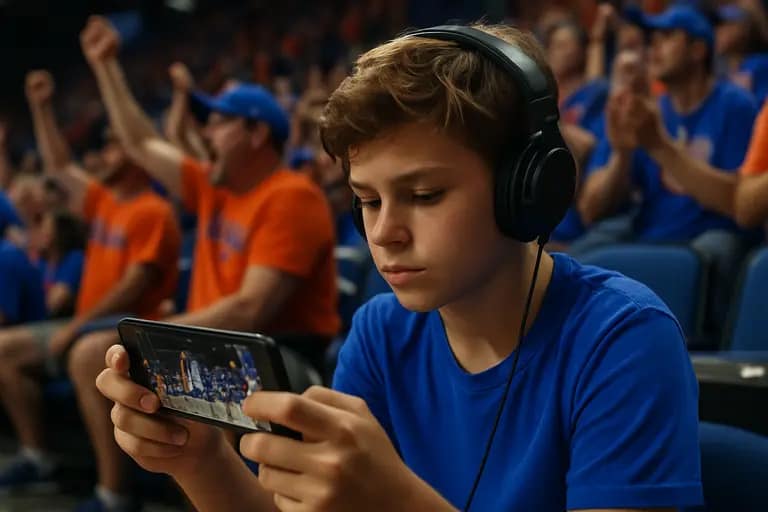
Media Reach Has Become Part Of The Program
The Gators do not need to wait for a ranked opponent to own a strong basketball story. A smart defensive possession can be clipped. A freshman’s first confident stretch can travel. A coach’s explanation of a lineup can give fans language for what they are watching. Those pieces help turn a non-conference date from background noise into a chapter.
Learfield also reported that 22 schools that reached the Sweet 16 in either the men’s or women’s tournaments increased total home game attendance by more than 9% during the 2025-26 regular season compared with 2024-25, while single-game ticket sales for those schools rose 8% year over year. Winning still pulls people in, but the lesson is larger: programs that create belief before March tend to have a stronger base when March arrives.
Community Touchpoints Matter
For Florida, digital content should not replace the game-day crowd. It should pull people toward it. The strongest basketball communities make the fan feel informed before arrival and involved after leaving. That can include player development features, practice notes that stay within what the program is willing to share, opponent primers, and simple reminders of what a young team is trying to become.
There is also a practical side. Fans now weigh time, cost, access, and value before deciding whether to attend. A related discussion of fan engagement strategies fits the same point: the modern home crowd is earned repeatedly, not assumed because a school has tradition.
That is not a complaint about fans. It is recognition that attention is competitive. If a program wants the building full for early games, it has to make those games feel connected to player stories, team goals, and community identity. The court product still leads, but the connection around it keeps people coming back.
What Fan Engagement Means For Non-Conference Games
The Gators Standard
The best non-conference nights are not always remembered because of the opponent. They are remembered because they revealed something. Maybe a rotation became clearer. Maybe a transfer looked comfortable. Maybe the defense showed a tougher edge. Maybe the crowd helped turn a slow first half into a sharper second half.
For Gators basketball, fan engagement cannot be separated from those moments. It helps define whether early games become quiet obligations or useful steps toward a team identity. Attendance, media reach, and community connection all point back to the same idea: the program is strongest when the people around it are active participants, not distant observers.
The next non-conference games give Florida a chance to sharpen more than its offense and defense. They give the Gators a chance to build trust with the stands, bring younger fans closer to the program, and make each early possession feel tied to the larger pursuit that every serious basketball community understands. Championships are not won in the first week of the schedule, but the habits around championship teams often show up early.
