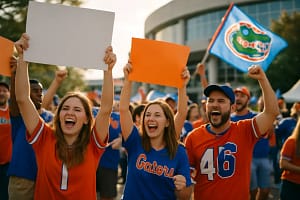
Fan Engagement Strategies matter before the 2026-27 Florida basketball season because the bond between a team and its people is no longer built only on the 40 minutes between tipoff and the final horn. Gainesville fans still care about wins, roster growth, defense, guard play and late-game execution. Yet the way they follow the program now stretches across ticket access, short-form video, alumni storytelling, student sections, family planning and the sense that a night at the arena is worth the time and cost.
As a sports historian who studies Gators basketball, I see this as less of a new trend than a new version of an old truth. The strongest college basketball communities have always had a weekly rhythm. Students talk about lineups. Families plan around home dates. Former players remain part of the conversation. Local businesses feel the pull of game nights. What has changed by September 10, 2026, is the number of touchpoints before a fan ever reaches a seat.
Why Fan Engagement Strategies Matter Before Tipoff
Fan Engagement Strategies Start Before The First Home Date
The first sign of a connected season comes well before the first home game. It shows up in whether fans know the roster, understand the coaching themes, recognize returning leaders and feel invited into the weekly story. For Florida, Fan Engagement Strategies should help connect the court product with the community that surrounds it: students in Gainesville, alumni across the state, families driving in for weekend games and younger fans who may first meet the team through video rather than a box score.
That matters because basketball loyalty is cumulative. A single promotion can fill seats for one night. A steady rhythm of team access, player features, practice notes, community appearances and clear game-day information can make attendance feel like a habit. Florida basketball has long lived beside the larger football identity of the university, so hoops has to earn attention across a crowded sports calendar. The answer is not gimmickry. It is repeat contact that respects the sport and gives fans reasons to care about player development from November into March.
The Community Calendar Shapes The Basketball Calendar
For a Gators home schedule, engagement planning has a local shape. A weeknight game asks something different from a Saturday game. Student participation depends on campus timing, transportation, academic load and opponent appeal. Families consider parking, start times and the total cost of the night. Alumni weigh travel from other Florida cities. None of those issues are separate from basketball culture. They shape the sound in the building and the pressure a home crowd can place on an opponent.
This is why early communication matters. If fans know theme nights, student entry patterns, family-friendly windows and community tie-ins with enough notice, they can plan. If they learn late, the team loses energy before the ball is tossed. A related local discussion on Gators fan engagement shows how the 2026 fan conversation in Gainesville connects home atmosphere, student energy and community ties.
Lessons From Pro Sports Campaigns
Targeted Outreach Has Moved From Extra To Expected
College programs do not need to copy pro teams line for line, but they can learn from the scale of modern fan contact. On February 5, 2026, Boston Consulting Group reported that the Philadelphia 76ers ran more than 125 targeted fan campaigns in a single year and saw about 15% growth in fan participation, according to a BCG sports business report. That fact stands out because it shows participation can be built through repeated, segmented communication rather than one broad message to everyone.
For Florida basketball, the lesson is not that every campaign has to be large. It is that different fans need different doors into the season. Students may respond to player personality, rivalry weeks and arena energy. Parents may want clean information on timing, access and value. Alumni may connect through former Gators and program memory. Young fans may follow highlights before they learn the full rotation. A single voice from the program can remain consistent while the entry point changes by audience.
Digital Content Carries The Story Between Games
The July 1, 2026 Forbes discussion of the Global Fan Report: U.S. Edition cited findings that 79% of fans agreed technology and digital platforms have a major place in improving fan experiences, while 83% value non-live content such as social clips and behind-the-scenes access, as noted in a Forbes fan report analysis. For a college basketball community, that non-live space is where the season breathes between games.
The old fan cycle was simple: read a recap, check the standings, wait for the next tip. The modern cycle is fuller. Fans want to see how a freshman is adjusting, how a veteran guard leads a huddle, how bigs work on footwork, how the staff frames a road test and how former Gators carry the program’s habits into pro basketball. None of that replaces performance. It gives performance context. It lets supporters see growth before the stat line fully catches up.
What Gators Basketball Can Build Around
Player Development Is The Best Engagement Story
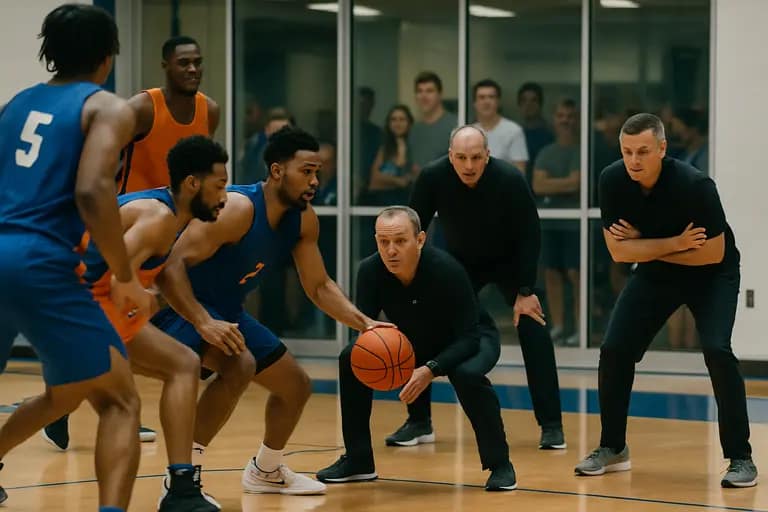
In Gainesville, the most credible content is still basketball content. A fan base can sense the difference between empty noise and real team access. Fan Engagement Strategies can set expectations by showing the work behind improvement: shooting sessions, defensive teaching, strength gains, film habits and leadership from returning players. For a program trying to keep fans close across a long season, development is the through line.
This matters for the college-to-pro arc as well. Gators fans have always tracked who grows in Gainesville and who carries those lessons into professional basketball. Without naming unsupported roster claims, the pattern is familiar: a player becomes more trusted in college, earns a larger role, then tries to prove that skill set at the next level. When the program tells those stories with care, fans understand that a January rotation decision may connect to a player’s future beyond campus.
Access And Value Must Be Treated As Basketball Issues
Game-day value is not only a ticket office subject. It affects the competitive feel of the building. If fans believe the experience is organized, welcoming and worth the cost, they are more likely to return. If students feel central to the night, they are more likely to bring noise. If families can plan with confidence, they are more likely to make Florida basketball part of their winter routine.
The strongest plan would avoid treating every supporter as the same. Gainesville students, longtime season-ticket holders, recent graduates, youth teams and out-of-town alumni all carry different habits. A good engagement plan can speak to each group without weakening the shared identity: this is Gators basketball, and the community has a place in shaping home-court feel.
- Students: clear entry details, rivalry-week energy and player-led storytelling.
- Families: schedule clarity, practical arena information and value-focused game nights.
- Alumni: program memory, former-player connections and road-to-Gainesville planning.
- Younger fans: short videos, behind-the-scenes clips and simple ways to learn the roster.
Why Fan Engagement Strategies Matter In Gainesville
The Home Crowd Is Part Of The Program’s Identity
Fan Engagement Strategies matter in Gainesville because Florida basketball is not just a team playing in front of spectators. It is a meeting point for students, alumni, local families and fans who measure winter by conference nights and postseason hopes. The research supplied for this topic did not provide Florida-specific attendance figures, ticket dates or promotional schedules, so any firm claim about those details would be premature. What the research does show is a wider sports pattern: fans reward teams that communicate often, offer meaningful digital content and make the live experience feel connected to daily life.
For the Gators, the task before the 2026-27 season is to make every fan touchpoint feel connected to the basketball mission. The social clip should lead back to player growth. The alumni message should lead back to program identity. The ticket reminder should respect cost and planning. The student push should serve the atmosphere that helps the team. The former-player story should remind fans that Gainesville can be part of a longer basketball career.
That is why this topic belongs in a sports conversation, not just a marketing one. A louder building can affect rhythm. A more informed fan base can appreciate defensive possessions, bench development and coaching adjustments. A stronger community connection can keep attention steady when the season hits its difficult stretches. In Gators basketball, engagement is not decoration around the game. It is one of the ways the game keeps its place in the life of Gainesville.
