
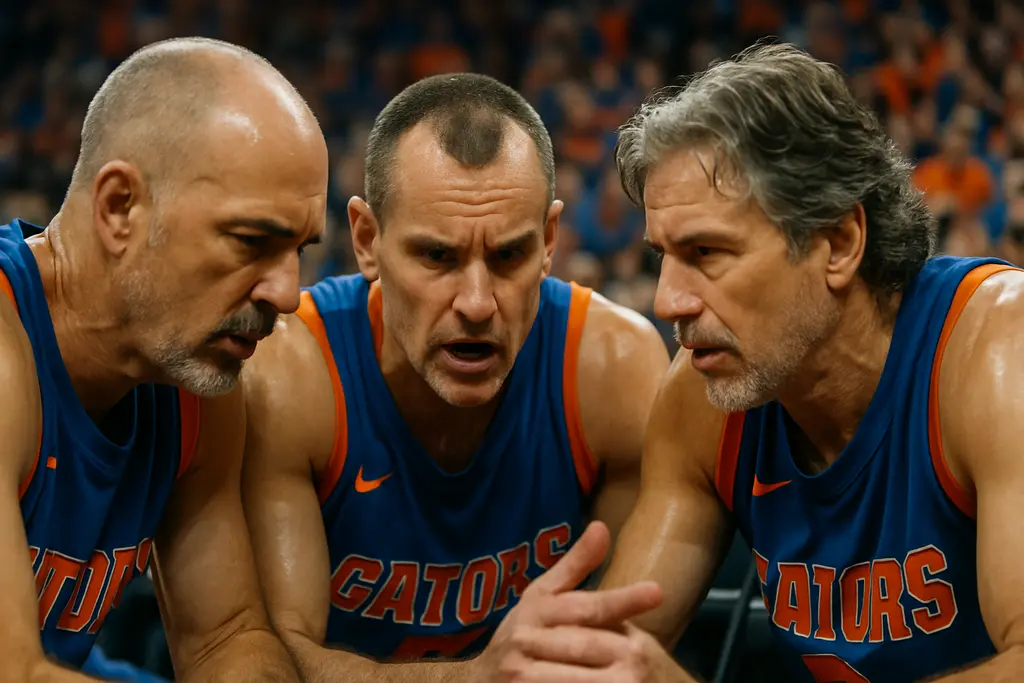

Gators Unified Culture has become more than a slogan in Gainesville; it is showing up in who stayed, who leads, and how returning players carry standards into daily work. For a community that measures Florida athletics through both Saturdays in the fall and championship nights on the hardwood, the lesson is clear: lasting teams are not built only by new arrivals. They are held together by players who know the building, understand the pressure, and choose to take ownership.
The strongest programs often have a familiar rhythm. Coaches set expectations, but the locker room decides whether those standards live past the staff meeting. Florida’s 2026 reset under Jon Sumrall offered a clear case study. The Gators retained 62 players from the previous season and added 50 new players, according to The Independent Florida Alligator. That kind of roster mix creates a demanding assignment: welcome new talent without losing the team’s shared language.
Why Gators Unified Culture Starts With Returners
Gators Unified Culture As Daily Leadership
Gators Unified Culture begins in small, visible habits. It is the veteran who sets the pace in a conditioning block, the linebacker who corrects a formation call before the snap, the receiver who teaches a younger teammate where to line up, and the bench player in basketball who keeps practice sharp without being promised a starring moment. Coaches can demand those behaviors, but returning leaders make them believable.
That is where Florida’s core returners matter. The football group highlighted in early 2026 included running back Jadan Baugh, linebacker Myles Graham, receivers Vernell Brown III and Dallas Wilson, and Jack linebacker Jayden Woods. Their decisions to remain gave Sumrall more than experienced names on a depth chart; it gave the program players who had lived through the previous year and could translate a new staff’s message to the locker room.
Retention Creates A Shared Language
Retention does not guarantee winning, but it creates a base for teaching. A team with dozens of new players needs guides who can explain how Gainesville works, from meeting-room expectations to game-week intensity. The returning players also give coaches a better chance to separate real buy-in from surface-level agreement. If a standard is slipping, veterans usually see it first.
That principle connects directly to Florida basketball. Championship teams often depend on stars, but their culture is usually protected by returning contributors who know how practices feel in February, how scouting reports tighten in March, and how every possession becomes public property in the postseason. That is why our staff has tracked veteran leadership as a defining theme in Gainesville’s 2026 athletic reset.
What Returning Leaders Teach The Locker Room
Myles Graham And Defensive Accountability
Myles Graham offers the clearest individual example. Entering his junior season, he led Florida with 76 total tackles in 2025 and became the first Gators linebacker to lead the team in tackles since 2021, according to FloridaGators.com. Tackles alone do not define a leader, but production gives a player credibility when he speaks in the locker room.
For a defense, that credibility matters. A linebacker sits at the center of communication. He hears the call, reads the formation, adjusts teammates, and has to finish plays through contact. When that player is also one of the program’s returning voices, the message carries extra weight. Young defenders can see that leadership is not detached from performance. It is tied to preparation, availability, and repeat effort.
Skill Players Keep The Standard Visible
Offensive returners bring a different kind of value. Baugh, Brown, and Wilson give Florida skill-position continuity, which helps a new staff teach without starting from scratch. For younger players, seeing established playmakers accept coaching can lower resistance. If a returning starter is still drilling releases, protections, route depth, or ball security with full focus, the newcomer has fewer excuses.
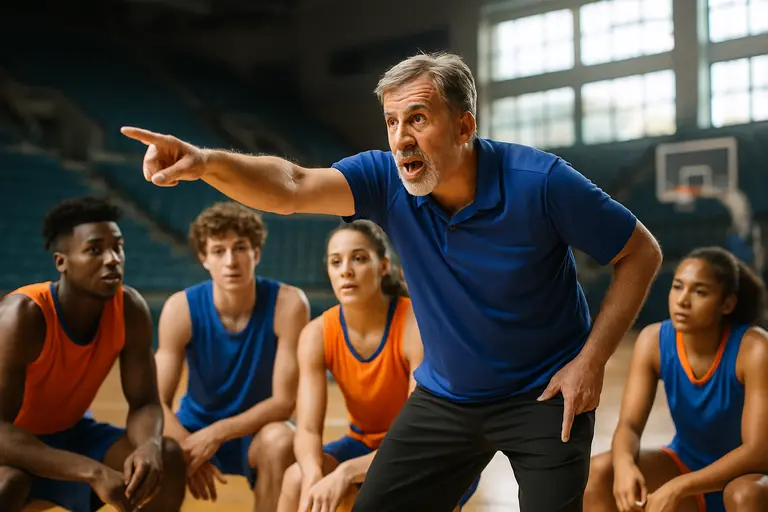
The same idea fits basketball development. A returning forward who sprints through a shell drill, a center who talks through ball-screen coverage, or a guard who accepts a reduced shot count for a better possession can influence a roster without needing a speech. That is how a program’s standards move from the coach’s voice into player behavior.
- Returning leaders give new teammates a model before the first game arrives.
- Roster continuity helps coaches teach systems with less repeated reset work.
- Veteran production gives locker-room messages more force.
- Shared standards travel across sports when players protect them daily.
Coaching Lessons For A Championship Basketball Program
Why Player Ownership Travels Across Sports
Gators Unified Culture should be read across the athletic department, not boxed into one sport. Football and basketball have different roster sizes, substitution patterns, and practice rhythms, but the best teams share a core truth: coaches cannot be the only source of accountability. In basketball, that truth gets exposed quickly because five players share the floor and every missed rotation can turn into points.
Florida’s basketball standard sharpened after the 2025 national championship, with Thomas Haugh, Alex Condon, and Rueben Chinyelu identified in the research as championship contributors who returned for another season. Their value is not limited to rebounds, screens, rim protection, or interior passing. They also carry the memory of what championship preparation demanded. For younger teammates, that memory is instructional. It says the banner came from months of habits, not one hot stretch.
How Gainesville Feels Continuity
Local supporters feel continuity differently than a national audience. In Gainesville, fans recognize players across seasons. Families see them at community events, students track their growth, and younger athletes in the area attach names to work habits. When a key player returns, the community does not just see a roster note. It sees another chapter of investment.
That is why Gators Unified Culture carries weight beyond team facilities. The returners become bridges between coaches, fans, students, and recruits. They show that Florida can be a place where a player stays, grows, competes, and leaves an imprint. For basketball, especially, that sense of continuity helps sustain the emotional connection between championship standards and everyday support inside Gainesville.
What Gators Unified Culture Means In Gainesville
A Community Standard Built By Returners
Gators Unified Culture is not proven by a press conference. It is proven by whether returning leaders keep working when the roster changes, whether new players accept correction, and whether coaches trust veterans to reinforce the standard when no camera is near. Florida’s 2026 roster retention in football gave the program a practical base for that work, and the basketball program’s returning championship contributors show the same lesson in a different competitive setting.
The coaching legend lens belongs here because legendary coaches are not remembered only for play calls. They are remembered for building teams that teach themselves. In Gainesville, the next measure is not whether leaders have titles. It is whether they help teammates become steadier, tougher, and more connected when the schedule tightens. If the Gators keep getting that from their returners, the culture will have roots strong enough for both the court and the field.