
Do you remember when Florida basketball was almost forgotten? They hadn’t made it to the NCAA tournament in 20 years. It was like a side show for the football team.
Then, Todd Golden came to town. Many thought he was just another young coach who would fade away.
But here’s the surprise: Golden became the youngest coach in decades to win a national title. Now, the Florida Gators are among the top teams with three championships.
This isn’t just a small win. It’s a total change in how the Gators are seen in college basketball.
Todd Golden’s Arrival: Expectations and Vision
When Scott Stricklin introduced Todd Golden, a 36-year-old from San Francisco, a buzz went through Florida. Some wondered if he was the right pick, given his age and background.
There was also doubt about his experience. Mike White had left after seven years, and now we had a new coach from a mid-major school. It seemed like a big change.
But Todd Golden was different. He brought a new way of thinking to the game. His “Nerd Ball” approach was all about winning smartly, not just playing hard.
Golden’s vision had three main points:
- Data-driven decisions over gut feelings
- Modern offense built for the transfer portal era
- Sustainable success instead of quick fixes
The first two seasons showed promise, with 16 wins and a first-round NCAA exit. Fans were divided on whether this was progress or a setback. The data suggested patience, but fans were impatient.
Golden’s approach was like solving a Rubik’s Cube while others played checkers. He focused on efficiency and using data, not just tradition. He was changing the game, not just the plays.
As time went on, Golden’s vision became clearer. He wasn’t chasing immediate success. He was building a strong foundation for the future. Fans wanted wins, but Golden wanted something more lasting.
Looking back, those early doubts seem silly. Golden proved to be a mastermind on the court. His vision was about more than just winning games. It was about changing how teams are built.
Key Strategies and Coaching Philosophy
Todd Golden is like a chess player in a world of checkers. His coaching philosophy focuses on finding value where others overlook it. It’s like Moneyball, but with a Florida twist.
Golden’s “Nerd Ball” approach isn’t about being a nerd. It’s about using data to find hidden talents. He looks beyond the obvious to find players who fit his system perfectly.
His roster retention strategy might seem old-fashioned, but it’s genius. In today’s world of constant player changes, Golden built a stable team. He convinced key players like Walter Clayton Jr. to stay, creating a strong team chemistry.
Golden’s focus on analytics reveals insights many coaches miss. He values efficiency and skills that others overlook. It’s about making smart plays, not just jumping high.
| Traditional Approach | Golden’s Philosophy | Result Difference |
|---|---|---|
| Chase 5-star recruits | Find system-fit players | Better team chemistry |
| High roster turnover | Strategic retention | Faster development |
| Basic stats focus | Advanced analytics | Smarter gameplay |
| Short-term fixes | Long-term building | Sustainable success |
Golden’s approach is like compound interest in player development. Players grow together, not constantly starting over. The team gets stronger each year as players learn more.
It’s Warren Buffett coaching basketball. He looks for intrinsic value, holds onto it long-term, and wins big. This coaching philosophy might be unique, but the results are clear.
Golden shows that sometimes, the best move is to keep what you have. While others rebuild every year, he refines. This consistency is his secret to success.
Recruiting a New Generation of Gators
Todd Golden doesn’t rush into recruiting like others do. He’s like a Swiss watchmaker, precise in building his team. In the NIL era, money talks, but Golden focuses on culture fit and system compatibility.
Golden’s approach is the opposite of what most do. He looks for players who want to grow within the system, not just for a quick win. It’s like choosing a partner for life, not just for a night.

Florida’s retention numbers show Golden’s strategy works. Even as college basketball sees a lot of players moving, Florida keeps its team stable. This is not by chance but by building strong relationships in a world where loyalty is rare.
Golden’s way of getting players is like solving a puzzle. He finds pieces that fit his team’s needs perfectly. This reminds me of the Brown brothers’ commitment to Florida. It’s about creating something lasting, not just gathering talent.
What makes Golden’s approach so interesting? Let’s look at the main points:
| Traditional Recruiting | Golden’s Approach | Result Difference |
|---|---|---|
| Star-chasing | Fit-finding | Better chemistry |
| NIL bidding wars | Development promises | Higher retention |
| Immediate impact | Long-term growth curves | Sustained success |
| Portal gambling | Strategic acquisitions | System continuity |
Golden’s method might seem cold, but it’s deeply human. He invests in players who also invest in the program. This creates a win-win situation, unlike in many college sports.
This approach doesn’t just build teams; it builds programs. While others focus on quick wins, Golden plays the long game. He uses development curves and cultural analytics to build a team that grows together.
In the end, Florida’s recruiting under Golden is about patience. In a world that values quick fixes, the Gators are building something that could last longer than a TikTok trend.
Early Successes and Challenges
The first two seasons were tough for Florida basketball. They had sixteen wins but lost in the NIT first round. These early struggles raised big questions about the team’s future.
The real early achievements weren’t just about winning games. They were about building a strong team culture. Golden worked hard in practice and film sessions, even with the challenges of the transfer portal.
Fans were right to be skeptical. SEC teams saw Florida as an easy target. But what the scores didn’t show was the team’s growing culture.
The team faced many challenges:
- They had to learn a new offense.
- They dealt with a lot of player changes in the transfer portal.
- They had to meet high expectations with limited talent.
- They had to win over fans who expect to see them in the Final Four.
But these struggles helped the team grow. They learned important defensive skills and how to perform under pressure. Even the NIT appearance was valuable practice time.
Golden’s early achievements were about building a strong team culture. It wasn’t about winning championships right away. The hard work was worth it for the team’s future.
Looking back, those tough seasons were like navigating Florida’s backroads after a hurricane. They were rough but led to a better place.
Notable Wins and Game Highlights
The Houston championship game was like a heist movie with basketball. Florida led for just 60 seconds and never by more than 2 points. This was against a team known for tough defense. It was like stealing from Fort Knox while the guards were distracted.
The SEC tournament was like Mozart composing with athletes. The Florida Gators won 36 games and got a conference trophy. They made a statement from Gainesville to Gonzaga, saying they were back and rewriting the playbook.
The NCAA tournament run was truly magical. They won four comeback games in six. This was not luck but hard work, mental toughness, and smart adjustments.
Key moments that defined the season:
- The Houston championship where defense became offense
- SEC tournament dominance that felt like a month-long highlight reel
- NCAA tournament comebacks that defied probability
- Critical plays that turned momentum at exactly the right moments
Each win led to the final moment: banner number three. The championship game analysis shows that sometimes, the best wins are the ones that defy all odds.
The SEC tournament was more than just scoring. It was about sending a message. Thirty-six wins show the result of hard work, preparation, and that special spark that makes teams legends.
The NCAA tournament run was the final test. Four comeback victories showed more than skill; they showed character. When others gave up, the Gators kept going.
These weren’t just notable wins; they were lessons in resilience. Each game highlight teaches us about the power of preparation and seizing opportunities.
Player Development Focus
Unlike others, Todd Golden doesn’t just look for new talent. He focuses on making his current players better. He believes in improving what’s already there, making them irreplaceable.
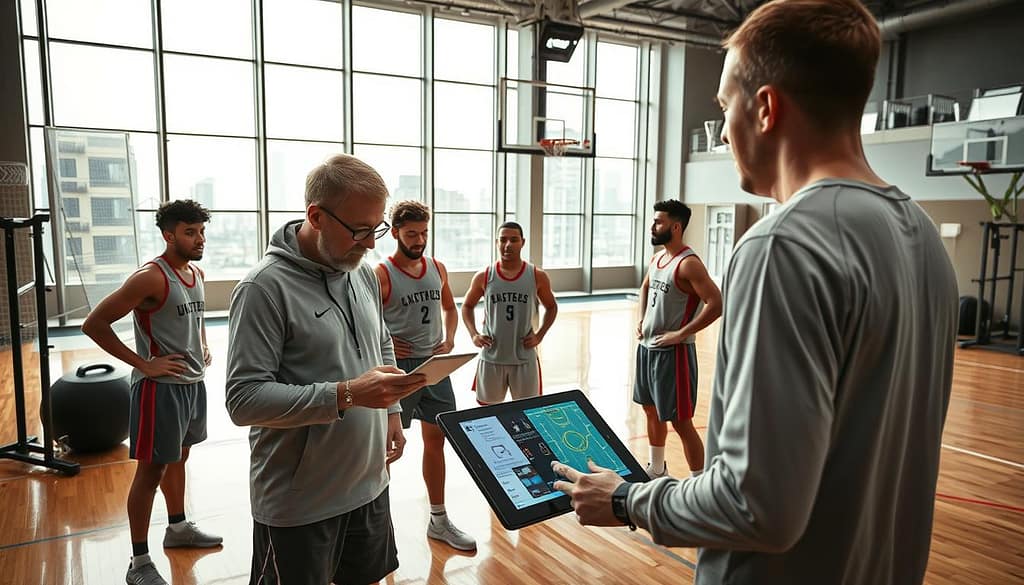
Take Walter Clayton Jr. for example. He didn’t just get better; he transformed. Golden’s system turned him into a All-American contender. This shows Golden’s approach: find what’s missing, track progress, and highlight each player’s strengths.
Golden’s method is like a mix of Moneyball and mindfulness. He gives players surgical precision plans for improvement. It’s like updating your skills, like a software update for athletes.
This focus gives the Gators an edge in the transfer portal era. While others look for new players, Golden’s team makes the most of what they have. It’s like turning old clothes into new fashion, instead of always buying new ones.
The system has three main points:
- Specific goals, not vague ones
- Tracking progress closely
- Matching skills with roles
Players don’t just get better; they find their place in the system. Clayton became the player Golden’s system needed. This is the key to success: development that fits the system, not just the player.
In a world where new talent is often sought, Florida stands out. They focus on improving what they have, not just looking for new players. It’s a smart move, like upgrading parts instead of buying new ones.
Golden’s approach shows that the best players might already be on your team. They just need the right system to shine. The Gators are building more than players; they’re creating perfect parts for their system.
Integration with Gators Tradition
The new portrait in Spurrier’s Gridiron Grille is more than just a decoration. It shows Todd Golden joining the Florida coaching legends. From showing Donovan’s legacy to now being next to it, it’s a story worth telling.
Golden has skillfully honored the Donovan era while creating his own mark. It’s not about copying the past. It’s about adding to the championship legacy with new methods.
Florida is now among the elite with three-plus championships in the last 20 years. This achievement is not just good; it’s legendary.
Golden’s approach to history is not just about keeping it the same. It’s about evolving it. He uses Donovan’s plan but adds his own touches. The foundation is strong, but the execution is modern.
Let’s look at how different eras tackle the same goal:
| Aspect | Donovan Era | Golden Era | Continuity Factor |
|---|---|---|---|
| Recruiting Philosophy | Regional dominance | National reach | Elite talent focus |
| Offensive System | Motion principles | Modern spacing | Player empowerment |
| Defensive Identity | Pressure man-to-man | Versatile schemes | Disruptive mentality |
| Program Culture | Family atmosphere | Professional development | Winning expectation |
The table shows how different methods aim for the same goal. Golden isn’t copying Donovan. He’s building his own legacy on Gators tradition.
This integration is key because tradition needs to evolve. Without it, it becomes just nostalgia. Golden knows adding to the history is the best way to honor it.
His real genius is making it seem easy. The transition feels natural because the values are the same. Develop players, compete hard, and win championships. The methods may change, but the mission stays the same.
Future Aspirations and Goals
While other coaches were celebrating, Todd Golden was already planning his next move. He hired Jonathan Safir and Dave Klatsky the next day. This shows his dedication to building a strong program.
Golden wants more than just last season’s win. He’s thinking ahead, aiming to make Florida a top contender. This is a big goal in college basketball.
Golden is focusing on keeping players and mastering NIL. His analytical mind puts Florida in a great spot. He knows success means adapting to new trends.
The Gators’ future looks bright. Golden is aiming for more than just SEC titles. He wants Florida to be a top team for years to come.
As Golden recently said, this is a long-term plan. He’s building a program that will stay at the top for years.
| Traditional Program Model | Golden’s Modern Approach | Competitive Advantage |
|---|---|---|
| Cycle of rebuilds | Constant reloading | Roster retention focus |
| Reactive recruiting | Proactive talent development | NIL integration |
| Season-to-season planning | Multi-year program sustainability | Analytical forecasting |
| Static coaching staff | Continuous staff enhancements | Specialized expertise |
Golden isn’t chasing luck. He’s creating a basketball empire. His plans are ambitious, but he’s already making progress.
Golden’s Place in Florida Basketball History
Before Billy Donovan, Florida basketball was a small part of a football-loving state. Five NCAA tournaments were barely a blip on the radar. Donovan changed everything, winning three championships and earning a place among the top teams.
Todd Golden, at 39, is taking Florida basketball to new heights. He’s not just keeping the legacy alive; he’s making it even bigger. Think of it this way: Donovan made Florida basketball important, and Golden is making it unstoppable.
Golden’s impact won’t just be about wins. It will be about setting new standards. Could the Donovan era be seen as just the start? With Golden’s leadership, that’s likely. The change is happening, and his legacy is just beginning.
