
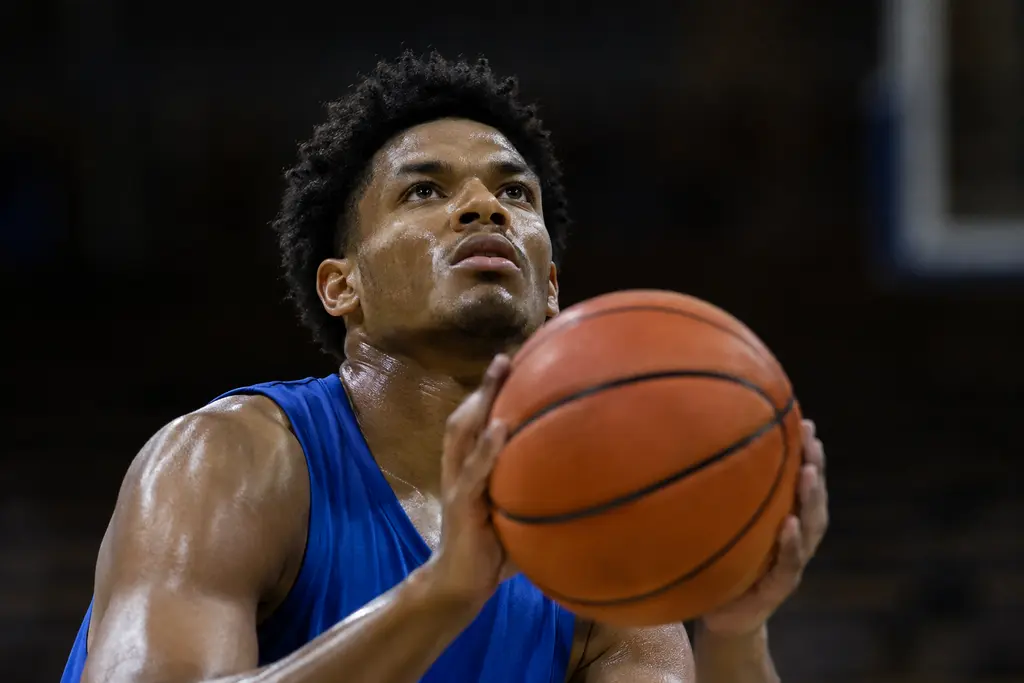

Gators Player Development has moved from a background talking point to the center of Florida’s title-defense story. As of November 7, 2026, the clearest basketball theme in Gainesville is not just who returned, but how those returners are being asked to grow. Florida lost major production from Walter Clayton Jr., Alijah Martin and Will Richard, yet the program’s next step is being shaped by Thomas Haugh, Alex Condon and Rueben Chinyelu in the frontcourt.
That shift matters because title defense seasons can expose weak habits early. The Gators are not starting from scratch. They are asking experienced players to carry larger voices, heavier scouting attention and more demanding roles. For a community that measures winter nights by basketball rhythm, that is the kind of development story that connects the locker room to Gainesville’s stands.
Gators Player Development Starts With The Frontcourt
Florida’s frontcourt is the clearest place to see how the staff has turned roster change into player growth. Haugh and Condon are no longer just key rotation pieces. They are being framed as leaders for a group expected to help replace the influence of Clayton, Martin and Richard, with Sports Illustrated reporting that both forwards are taking expanded leadership roles for the title-defense season.
Gators Player Development In The Haugh-Condon Partnership
The Haugh-Condon pairing gives Florida a strong base because both players can affect the game beyond one narrow job. Haugh’s decision to stay at Florida rather than pursue possible NBA entry gave the Gators a returning senior presence in the frontcourt. He averaged 17.1 points and 6.1 rebounds last season, with outside shooting attempts and playmaking part of his profile, according to The Washington Post.
That choice changed the tone of Florida’s development plan. A returning senior who has already produced at that level can set standards in practice, film work and late-clock decision-making. Condon’s role beside him gives Florida another frontcourt player with enough skill to help the offense flow through the elbows, the glass and the short roll. Together, they give the Gators a way to teach younger or less settled players through repetition rather than speeches alone.
Rueben Chinyelu’s Opening-Night Signal
Florida’s November 5, 2026 opener against Jacksonville offered an early example of that frontcourt plan in action. Chinyelu scored a career-high 21 points, Condon posted 12 points, 12 rebounds and 8 assists, Haugh added 14 points, and the Gators outrebounded Jacksonville by 27. One game does not define a title defense, but it can reveal what the staff has been drilling.
The rebounding margin stood out because development is often easiest to spot in habits that travel. Shot-making can swing. Physical rebounding, passing reads from bigs and willingness to play through contact are sturdier markers. Florida’s frontcourt did not just produce points; it gave the team a structure after the departures of high-profile guards and wings.
Continuity Gives Florida A Teaching Base
Player growth is harder when every role is new. Florida retained a large share of its scoring from the SEC title-winning squad, including six of its eight primary rotation players and 11 total among its top scorers, according to the research provided. That continuity helps coaches build from known habits instead of reteaching every coverage, cut and pressure response.
There is a local value to that continuity, too. Fans in Gainesville are not being asked to learn an entirely unfamiliar group after a championship run. They can track how Haugh handles leadership, how Condon expands his decision-making and how Chinyelu’s confidence carries into tougher matchups. That kind of carryover strengthens the bond between the team and the community because development becomes visible from game to game.
For readers following the roster’s broader foundation, Florida’s returning core fits naturally with the program’s emphasis on team stability as the Gators protect championship standards.
Why Returning Production Changes Practice
Returning production does not guarantee clean basketball. It does, however, allow practices to become more advanced sooner. Coaches can spend less time explaining where players should stand and more time pressing them on reads, counters and accountability. That is where Gators Player Development becomes practical: a big setting a stronger screen, a forward making the extra pass, a guard trusting a frontcourt touch before hunting a shot.
Denzel Aberdeen’s return also adds another layer to the story. After three seasons at Florida, a transfer to Kentucky and a court injunction granting a fifth year of eligibility, he returned to join the Gators’ 2026 core. The research notes that he averaged 13.5 points and 3.4 assists last season at Kentucky. His familiarity with Florida, paired with growth from another SEC stop, gives the staff a guard who can reconnect with the program while bringing back lessons from elsewhere.
Coaching Standards And Daily Growth
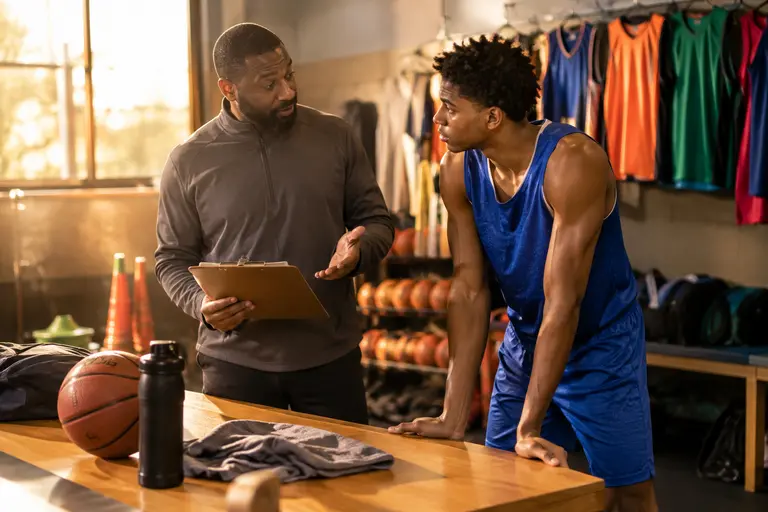
Coach Todd Golden’s challenge after a championship is not motivational alone. It is instructional. The research notes that Golden has publicly said the title raised expectations, while this group is more prepared to carry those pressures earlier because of stronger cohesion and better alignment away from games. That is a meaningful coaching point because pressure often shows up in small moments before it shows up on the scoreboard.
Teaching Leadership Before March
Florida’s title defense will be shaped long before tournament basketball. Leadership is built in how veterans respond after bad practice segments, how starters involve reserves, and how frontcourt players communicate defensive coverages. Haugh and Condon being asked to lead is not ceremonial. It means they are expected to turn experience into team-wide calm.
The Gators also have a campus-wide example of development language in the football program. In his first year as head coach in 2026, Jon Sumrall emphasized player development and culture, with facility upgrades tied to recovery, nutrition and daily operations in the research notes. During fall camp, six championship-winning head coaches from Florida’s athletic department spoke to the football team about winning habits. Even though basketball and football demand different skills, the shared message is clear: Florida is treating development as a daily department-wide standard, not a slogan saved for press rooms.
How Fans Can Read Growth Without Overreacting
For fans, the best way to judge development is not through one box score. Watch how roles hold up across different game types. Can Condon keep making the right pass when opponents bring pressure? Can Chinyelu stay efficient when teams wall off the paint? Can Haugh lead without forcing offense? Can Aberdeen blend scoring with organization?
Those questions are more useful than early declarations. A championship team often wins with star power, but a title defense needs role clarity. Florida’s staff appears to be leaning into that reality by asking returning players to become connectors as much as scorers.
Why Gators Player Development Matters In Gainesville
Gators Player Development matters because it gives Florida a path that is not dependent on repeating last season’s roster formula. Clayton, Martin and Richard left real space behind. The answer, based on the research available through November 7, 2026, has been to strengthen the frontcourt voice, trust returning production and turn continuity into sharper daily habits.
That approach also fits the community’s relationship with this program. Gainesville knows the difference between a team collecting talent and a team growing together. The early frontcourt production against Jacksonville gave fans something concrete to measure, but the larger story will be how Florida handles leadership, pressure and role evolution over the months ahead. If the Gators defend their title standard, it will likely be because development showed up in the ordinary work first: better screens, stronger rebounds, cleaner reads and veterans who taught while they played.